Community Ownership
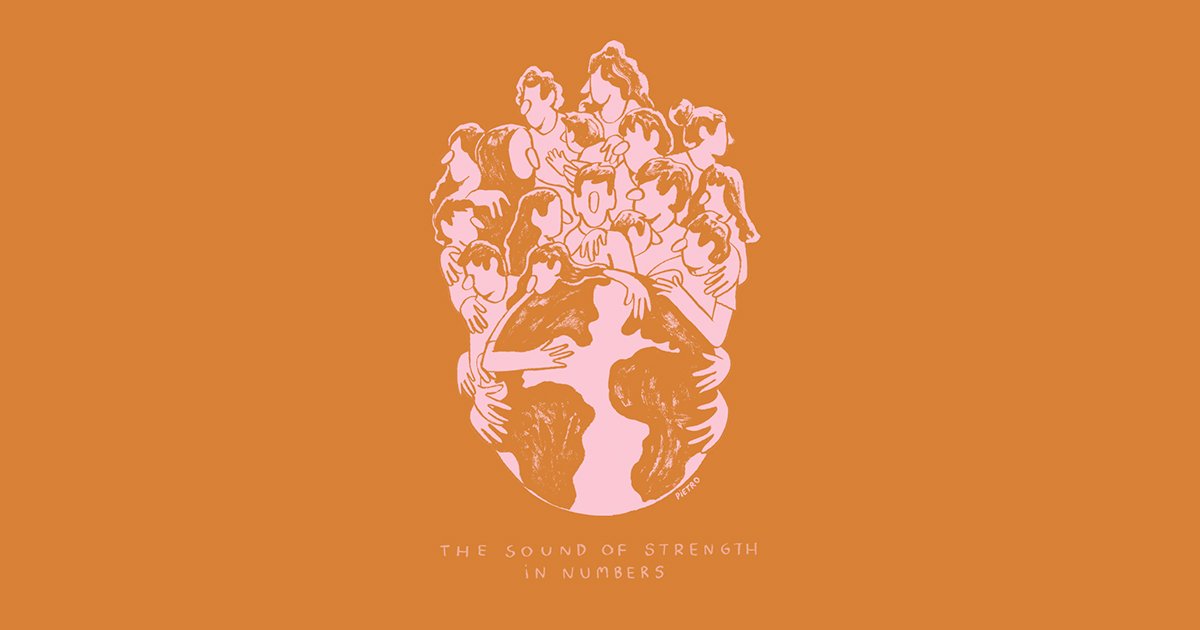
Community ownership of real estate and land preserves affordability for community residents, entrepreneurs, and organizations while building community wealth.
It’s a form of solidarity economy that prioritizes people over maximizing profit and supports the community spatially, socially, economically, and culturally.
What is Community Ownership?
Community ownership is an approach to land and property that keeps control, benefit, and decision-making in community hands. It’s about ensuring that the places people live and work remain stable, affordable, and rooted in the local community, not vulnerable to market speculation or profit-driven motives.
Across the U.S., communities are developing creative ways to make this real. Some models focus on affordable housing and resident control; others center on community-led investment in commercial or mixed-use spaces; and others still work behind the scenes to make community ownership possible. Together, they form a growing ecosystem of strategies for long-term community wealth and stability.
-
Why?
Community ownership and stewardship have been around for millennia. For many indigenous cultures, land cannot be owned, especially by individuals. Instead, the community together acts as the steward of the land collectively. Private property ownership too has been around for ages. However, in the U.S., a combination of forces (racist housing and urban renewal policies, financialization of real estate, and financial deregulation) made property ownership out of reach for many low-wealth and BIPOC communities while outside investors have outsized say on their communities. Community ownership and stewardship is a way to instate community self-determination and stability while retaining and reinvesting the benefits generated by the real estate and land.
-
Who?
The definition of “community” in community ownership and stewardship depends on the context and the model. It can be a small group of limited equity housing co-op residents or impact investors of a community investment fund across the state. What’s in common is that the “community” is the group that has the agency and control over the democratized resources (of land and properties).
-
What?
The core of community ownership and stewardship is about reverting and redefining the purpose and the beneficiaries of property ownership and stewardship. Under the community-based models, ownership is not a profit-maximizing investment instrument nor a weapon for displacement but is stewarded as a means to meet housing needs or a pathway to create critical spaces for the community that foster community economic vitality and political agency.
-
Where?
Community ownership and stewardship projects are happening everywhere in the US and beyond! Many examples we come across are from disinvested neighborhoods and serving, in some cases led by, groups that have been excluded from property ownership by design.
-
When?
The time is now. Decades of policies and institutional practices have brought us to a point where real estate and land use conspire against the community. Reversing this trend will too require long-term effort. Nevertheless, the pervasive warning signs within our system are impossible to ignore, and the movement is gaining momentum!
-
How?
Visionaries, practitioners, and communities are piloting and refining various community ownership and stewardship models—some emerged from the civil rights movement, others brand new—to take back community control of the buildings, homes, and neighborhoods and rebuild and strengthen the physical connective tissues of the community.
Different Models for Taking Back Ownership
Each of these models contributes to a broader vision: communities with the power to shape their own futures, where land and property are not just owned but stewarded collectively for the public good.
Shared-Equity Housing Models
How communities secure homes that stay affordable for the long term.
These models keep housing permanently affordable and community-controlled. Residents hold collective ownership or long-term leases that protect against displacement and keep equity circulating locally.
Includes:
Community Land Trusts (CLTs): Nonprofits that hold land in trust and lease it to residents or developers at affordable rates, separating land and building ownership to preserve affordability. Learn more.
Limited-Equity Housing Cooperatives (LEHCs): Resident-owned cooperatives where equity is capped, ensuring affordability while maintaining shared governance.
Resident-Owned Mobile Home Parks: Communities that purchase the land beneath their homes collectively, gaining security and a voice in how the park is managed.
Community Investment & Real Estate Stewardship Models
How communities collectively invest in and govern commercial, residential, and mixed-use spaces.
These models enable community members (often as small-dollar investors or cooperative shareholders) to pool resources and co-own local properties. They focus on community wealth-building, anti-displacement, and shared decision-making over assets that serve local needs.
Includes:
Community Investment Trusts (CITs): Local residents buy affordable shares in neighborhood real estate, building wealth while keeping investment returns in the community.
Community Investment Cooperatives (CICs): Cooperatives that pool community capital to purchase and manage real estate for local businesses, affordable housing, or mixed-use projects. Learn more.
Permanent Real Estate Cooperatives (PRECs): Hybrid models that blend cooperative and trust structures to hold multi-use property permanently off the speculative market and under community governance.
Enabling and Transition Models
How organizations and institutions create the conditions for community ownership.
These models help make community ownership possible by financing, stewarding, or transferring property into community hands. Some act as temporary holders; others sustain long-term community benefit through stewardship or public policy.
Includes:
Community Investment Funds (CIFs): Pooled capital vehicles that invest in community-serving real estate and enterprises aligned with local values. Learn more.
Mission-Driven Stewards: Nonprofit or public entities that own or manage property for social purpose, either as a long-term strategy or an interim step toward community ownership. Learn more.
Land Banks: Public or quasi-public entities that acquire, hold, and repurpose underused or tax-delinquent land, often transferring it to community-aligned organizations. Learn more.